All Services
Advanced Ambulanc Service for better vision and healthy eyesight naturally.
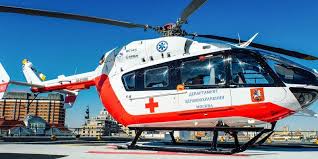
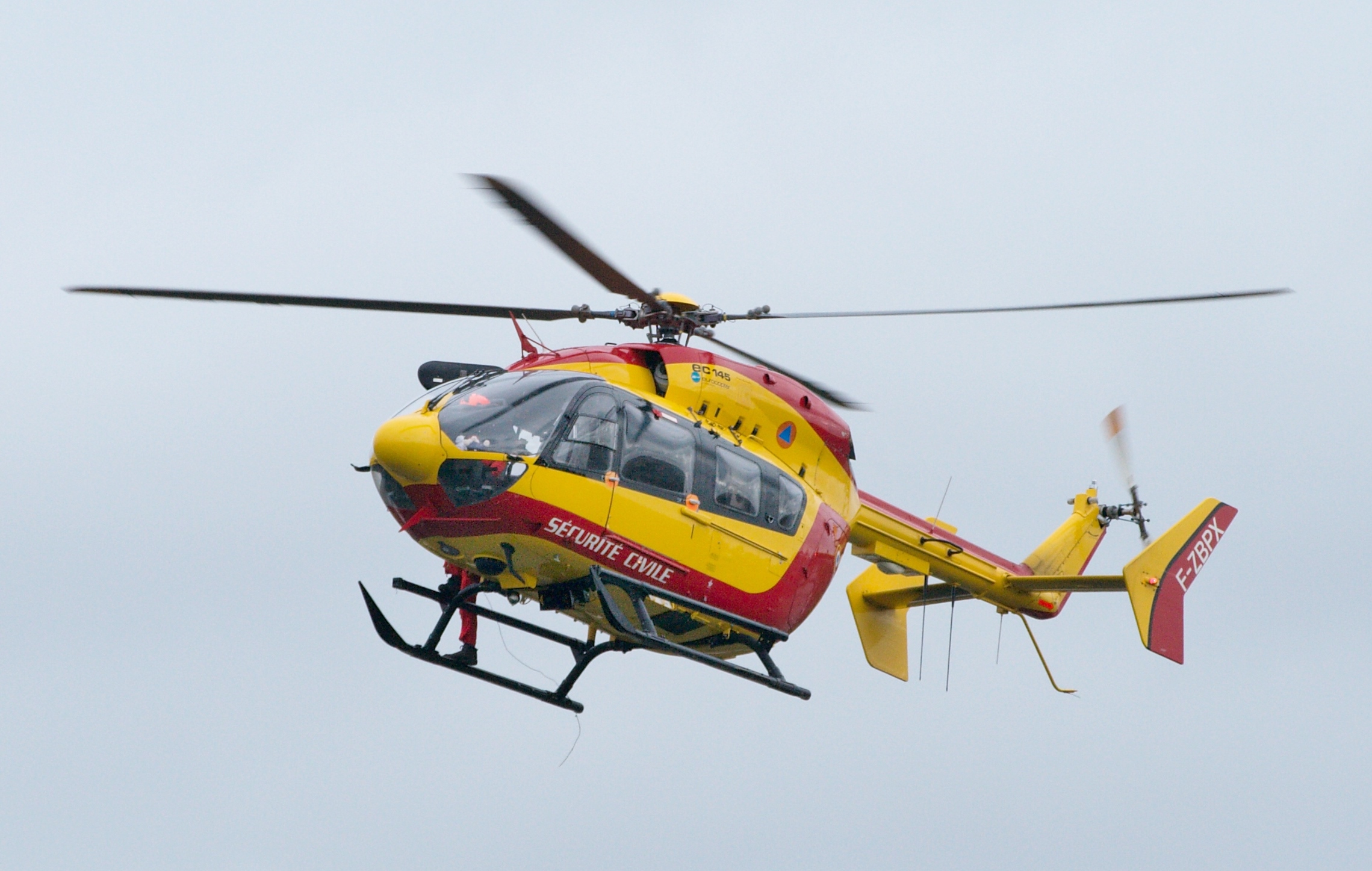
Air Ambulance Services provide rapid and specialized medical transportation for critically ill or injured patients who require immediate transfer to advanced healthcare facilities. These services use specially equipped aircraft designed to function as flying intensive care units (ICUs), ensuring continuous medical supervision throughout the journey. Air ambulances are commonly required in emergencies such as severe trauma, cardiac conditions, stroke, organ transplant transfers, neonatal emergencies, or when patients need long-distance hospital-to-hospital transfer. Factors like remote locations, time-sensitive conditions, or lack of specialized treatment facilities make air transport a life-saving solution. Each aircraft is equipped with advanced life-support systems, including ventilators, cardiac monitors, oxygen supply, infusion pumps, and emergency medications. A highly trained medical team—consisting of experienced doctors, paramedics, and critical care nurses—accompanies the patient to provide constant monitoring and treatment during transit.
Air Ambulance Services provide rapid and specialized medical transportation for critically ill or injured patients who require immediate transfer to advanced healthcare facilities. These services use specially equipped aircraft designed to function as flying intensive care units (ICUs), ensuring continuous medical supervision throughout the journey. Air ambulances are commonly required in emergencies such as severe trauma, cardiac conditions, stroke, organ transplant transfers, neonatal emergencies, or when patients need long-distance hospital-to-hospital transfer. Factors like remote locations, time-sensitive conditions, or lack of specialized treatment facilities make air transport a life-saving solution.
Ensuring patient safety during air ambulance transfers involves strict medical protocols, careful coordination, and advanced life-support preparation. Every transfer begins with a detailed medical assessment to evaluate the patient’s condition and determine the appropriate equipment and medical team required for safe transportation. Proper stabilization before takeoff is essential to minimize risks during flight. Our aircraft are equipped with advanced ICU facilities, including ventilators, cardiac monitors, oxygen systems, and emergency medications. Continuous monitoring throughout the journey ensures immediate response to any medical changes.
Air Ambulance Transfer and Patient Care involves the safe and medically supervised transportation of critically ill or injured patients from one healthcare facility to another. The service is designed to provide rapid evacuation while maintaining continuous intensive medical care throughout the journey. Before departure, a detailed medical assessment is conducted to stabilize the patient and determine the required equipment and medical team. The aircraft functions as a fully equipped flying ICU, featuring advanced life-support systems such as ventilators, cardiac monitors, oxygen supply units, infusion pumps, and emergency medications.
The advantages of Air Ambulance Services are significant, especially in critical and time-sensitive medical emergencies. This service ensures rapid transportation of patients to advanced healthcare facilities while providing continuous medical supervision during transit. By reducing travel time and offering ICU-level care in the air, air ambulances greatly improve survival chances and patient outcomes.
An Air Ambulance is a specially equipped aircraft used to transport critically ill or injured patients quickly and safely to advanced medical facilities. It functions as a flying ICU, providing continuous medical care during the journey.
Air ambulance services are required in medical emergencies such as severe trauma, heart attacks, stroke, organ transplant transfers, neonatal emergencies, or when patients need long-distance hospital-to-hospital transfer. It is especially useful when time is critical or when ground transport is not feasible.
Before the transfer, a thorough medical assessment is conducted to stabilize the patient and determine the necessary equipment and medical team. Proper documentation, coordination with both referring and receiving hospitals, and pre-flight clearance ensure a safe and smooth transfer process.